
The project
Year: 2021–2022
Contractor: Bouygues TP
Client: Occitanie Region
Technical assistance: CLAS
Background
BOUYGUES TP initiated the construction of the new Port of Port-la-Nouvelle.
CLAS’s intervention in 2021 made it possible to build and protect the offshore breakwater in record time, approved without any reservations by the client.
This structure successfully withstood a severe storm, with measured wave heights reaching 9.5 metres, without sustaining any damage.
In 2022, BOUYGUES TP had to complete the construction of the southern breakwater.
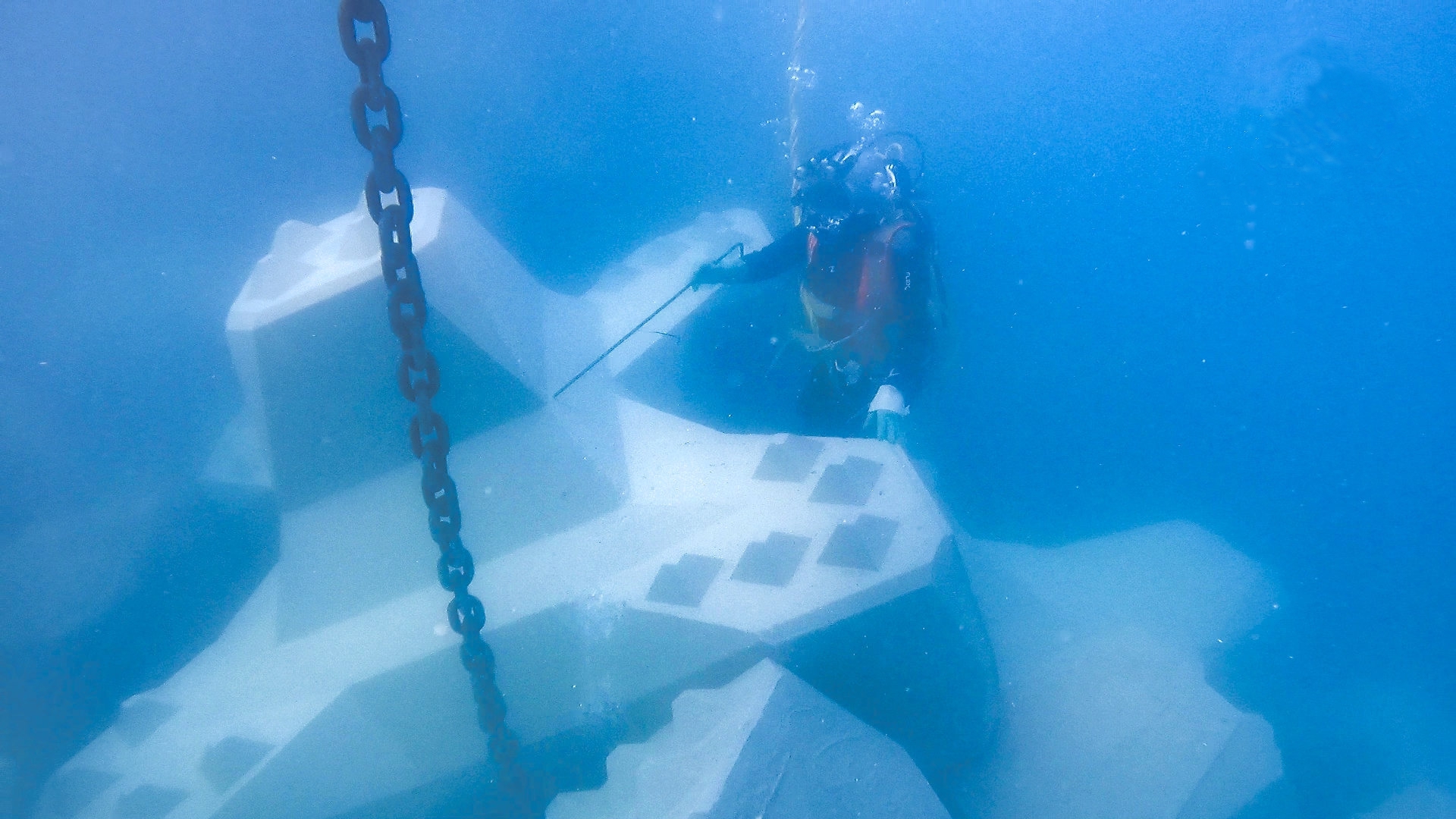
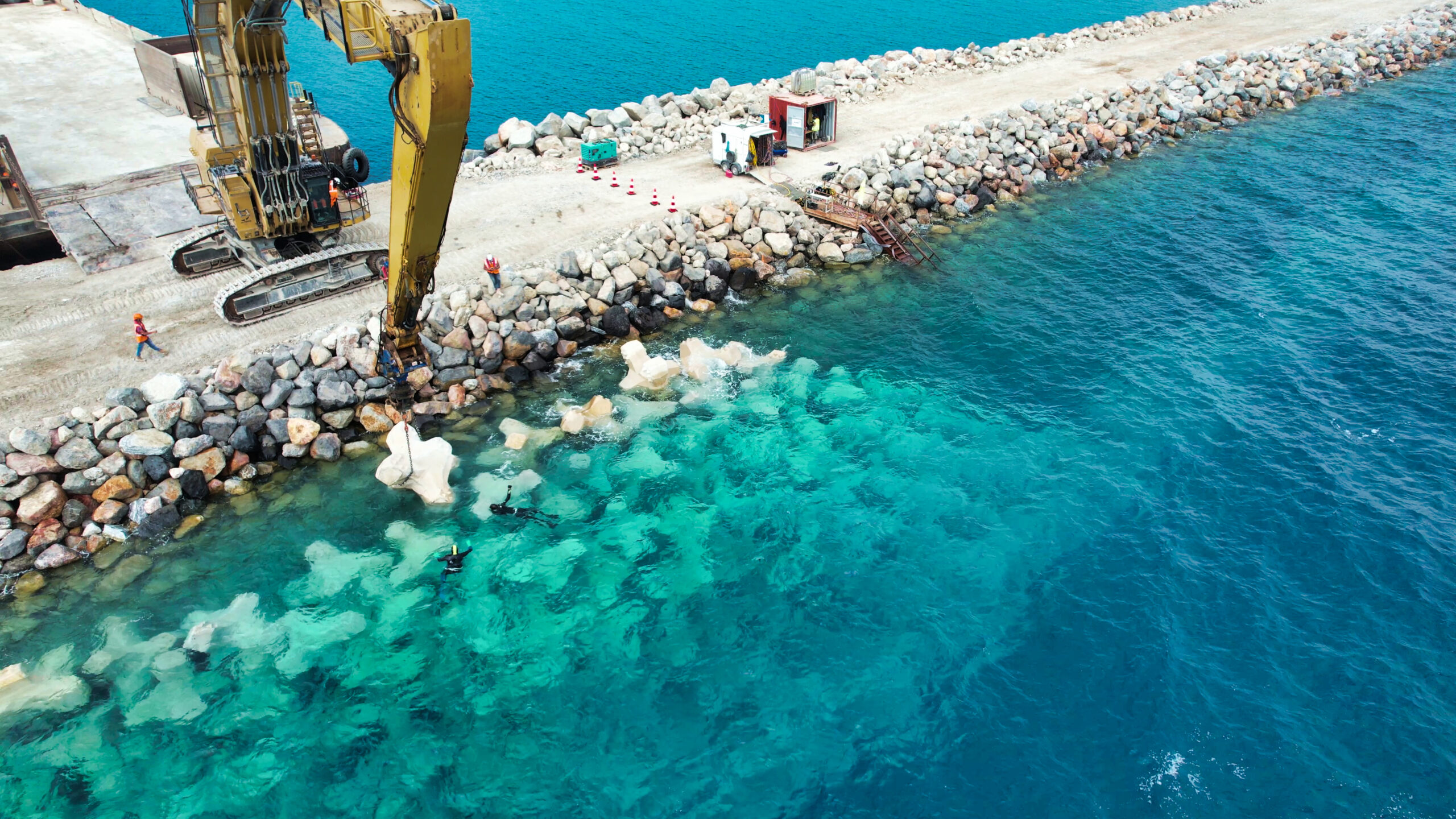
CLAS once again intervened to supervise the placement of ECOPODE™ and ACCROPODE™ II concrete armour units.
ACCROPODE™ and ECOPODE™ are registered trademarks owned by the ARTELIA Group, which is in no way affiliated with CLAS.
It was CLAS’s independent expertise that enabled BOUYGUES to move away from inefficient procedures that had been recommended and had placed the project at risk.
Key figures
- More than 800 ACCROPODE™ II units of 12 to 14 m³
• 81 ECOPODE™ units of 5 m³
• 1,000 ACCROPODE™ II units of 4 m³
• More than 2,000 ACCROPODE™ II units of 9 m³
Role of CLAS
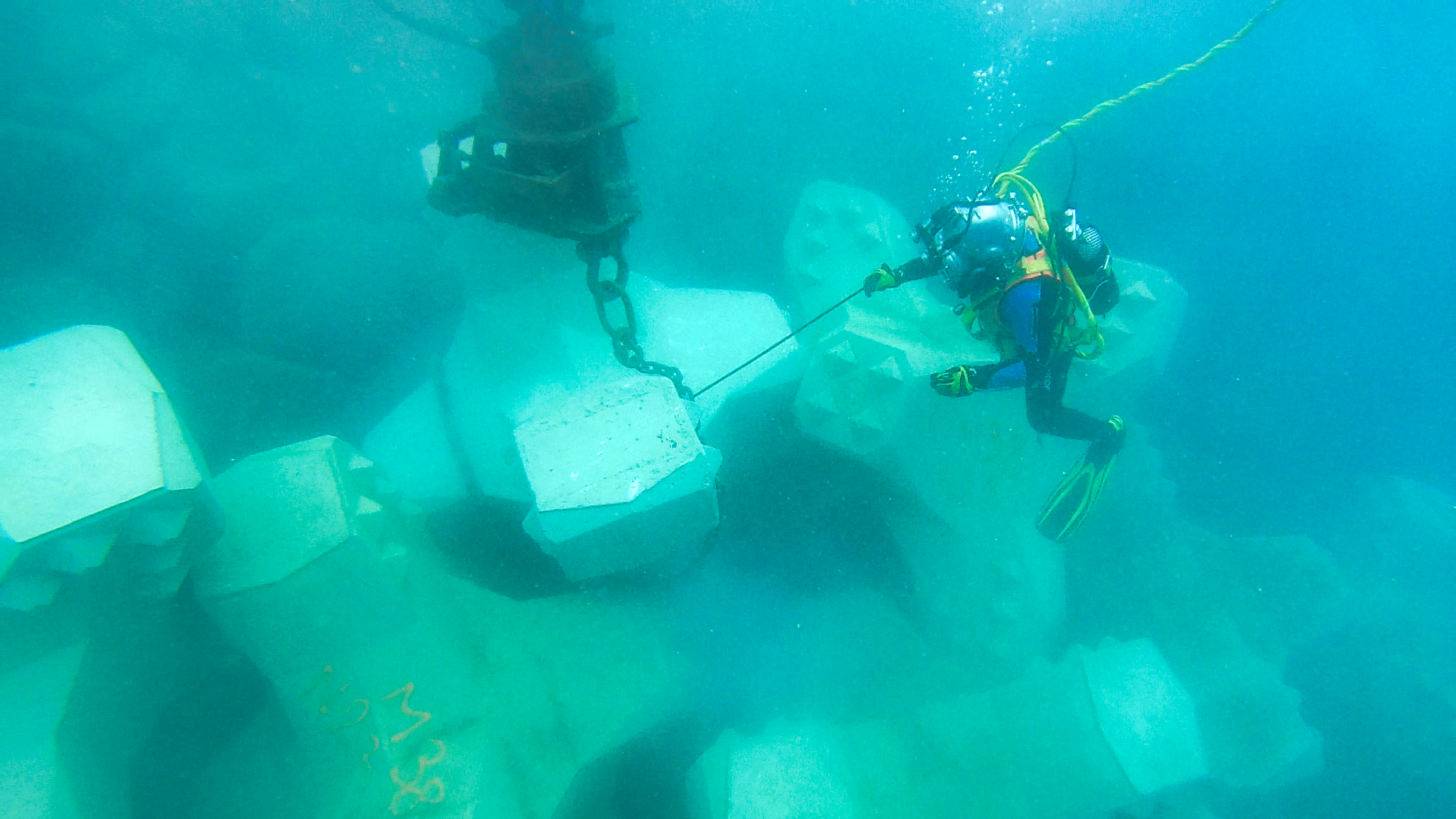
CLAS was tasked with installing the ECOPODE™ and ACCROPODE™ II concrete armour units and protecting the exposed areas within a particularly short timeframe.
The objective was to ensure the quality and safety of the armour layer while meeting the project’s tight construction schedule.
CLAS mobilised the same team of experts as those involved in the 2021 campaign.
Thanks to their experience and optimised organisation, the placement operations were carried out in compliance with design tolerances and safety requirements.
Result
The objectives set were achieved.
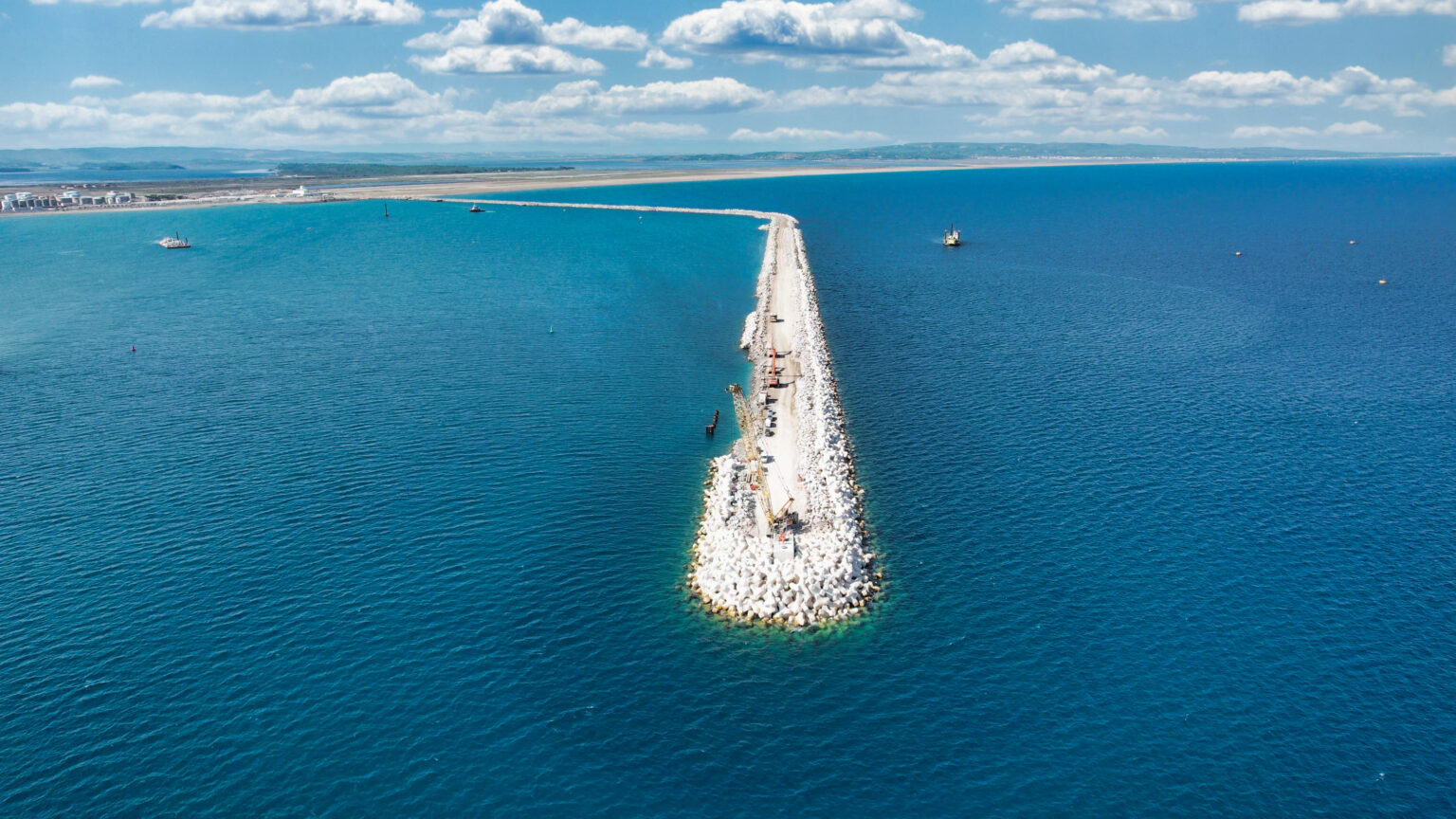
The structure was fully protected in just two months and was approved without any reservations by the client.
This new success confirms the robustness and reliability of CLAS methods for the installation of artificial concrete armour units, as well as the importance of being independent from licensors and equipment suppliers in order to avoid any conflict of interest.